Our Friends’ Stories

Welcome Home Jersey City has made an impact on the lives of hundreds of refugees from all over the world. Here are a few of their stories:

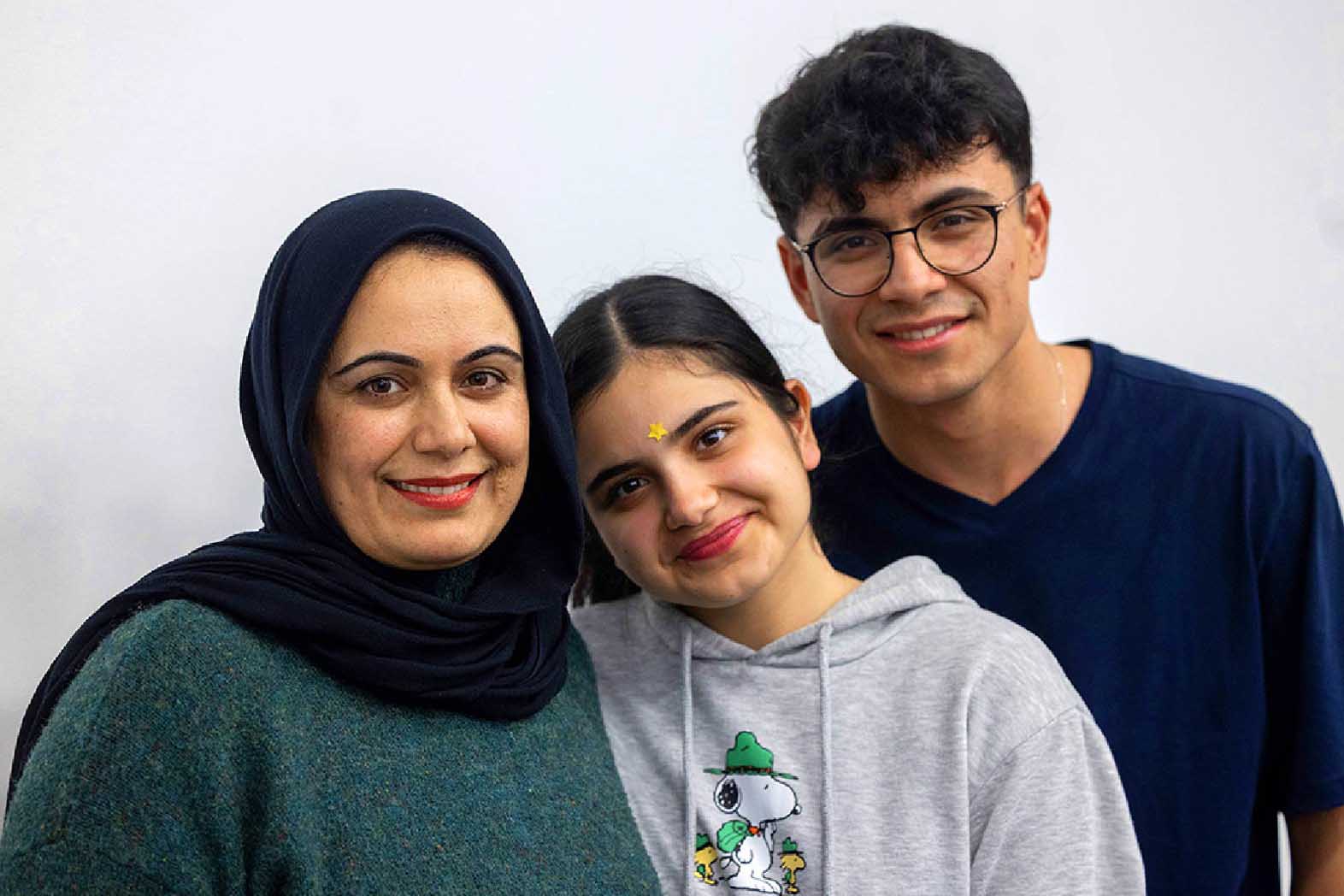
Mitra, Hadia, and Jamil

“My family arrived from Afghanistan via Texas three years ago. We were asked to choose a place for resettlement and we chose New Jersey because education was the first priority for my parents moving our family to the US and the educational system in NJ is one of the best in the country.

We when first arrived it was difficult because we weren’t used to cities as much. But what I like most, personally, about Jersey City is the diversity. It’s the most diverse city in the United States. If you live in Jersey City, you won’t feel like you don’t belong here. You feel like ‘I’m home’, and ‘I’m a part of this country’. My high school was the most diverse in the state. So the diversity that helps make it feel like home and the educational system, that’s what I love most about living in Jersey City.

(Translating for his mother) My mother says her favorite things about being in Jersey City is the help Welcome Home provided to enroll the children in schools and filling out families paperwork for the county, and helping me, her son, to find a job.

Bess and Fred helped me apply for a job with the City’s department of Youth Management. It was a summer job three years ago, but they asked me back the following year and now I’m a permanent part-time worker with the department. Bess also helped my mom apply for and get a position cooking in Downtown Jersey City. After that, Welcome Home helped her to start her own catering business.

Welcome Home is important to support because it’s one of the organizations on the ground actually helping the families that need help. I’ve been volunteering to help new families with getting kids enrolled in school.

I’m a graduating senior in high school this year, so now I am applying to as many colleges as I can. I’ll be studying computer engineering and in the graduating class of 2029. The whole family helps my mother with the catering business and I want to help grow that business into a restaurant or some kind of expansion so the business continues to support all the family and provide a service to the local community.”
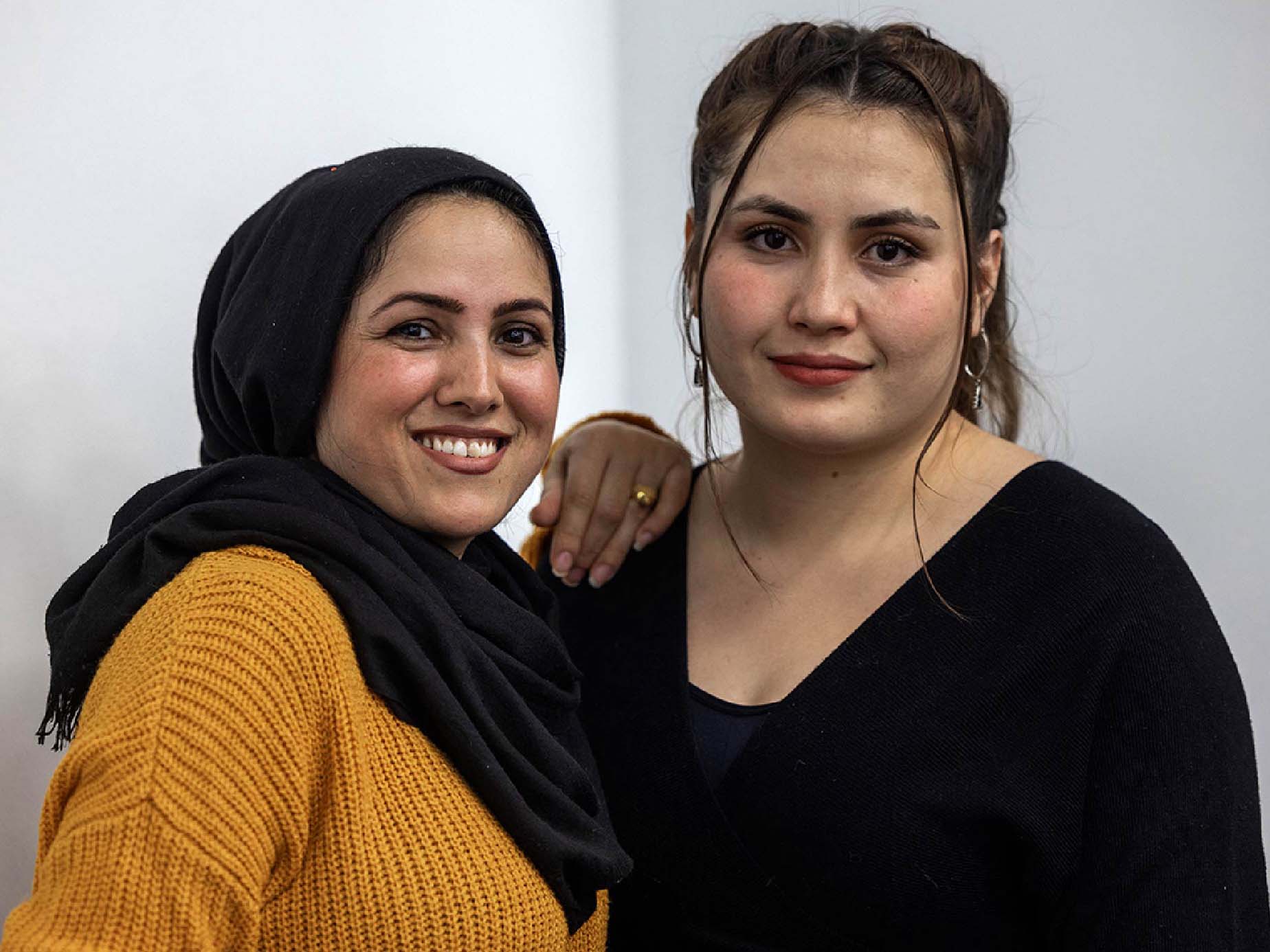
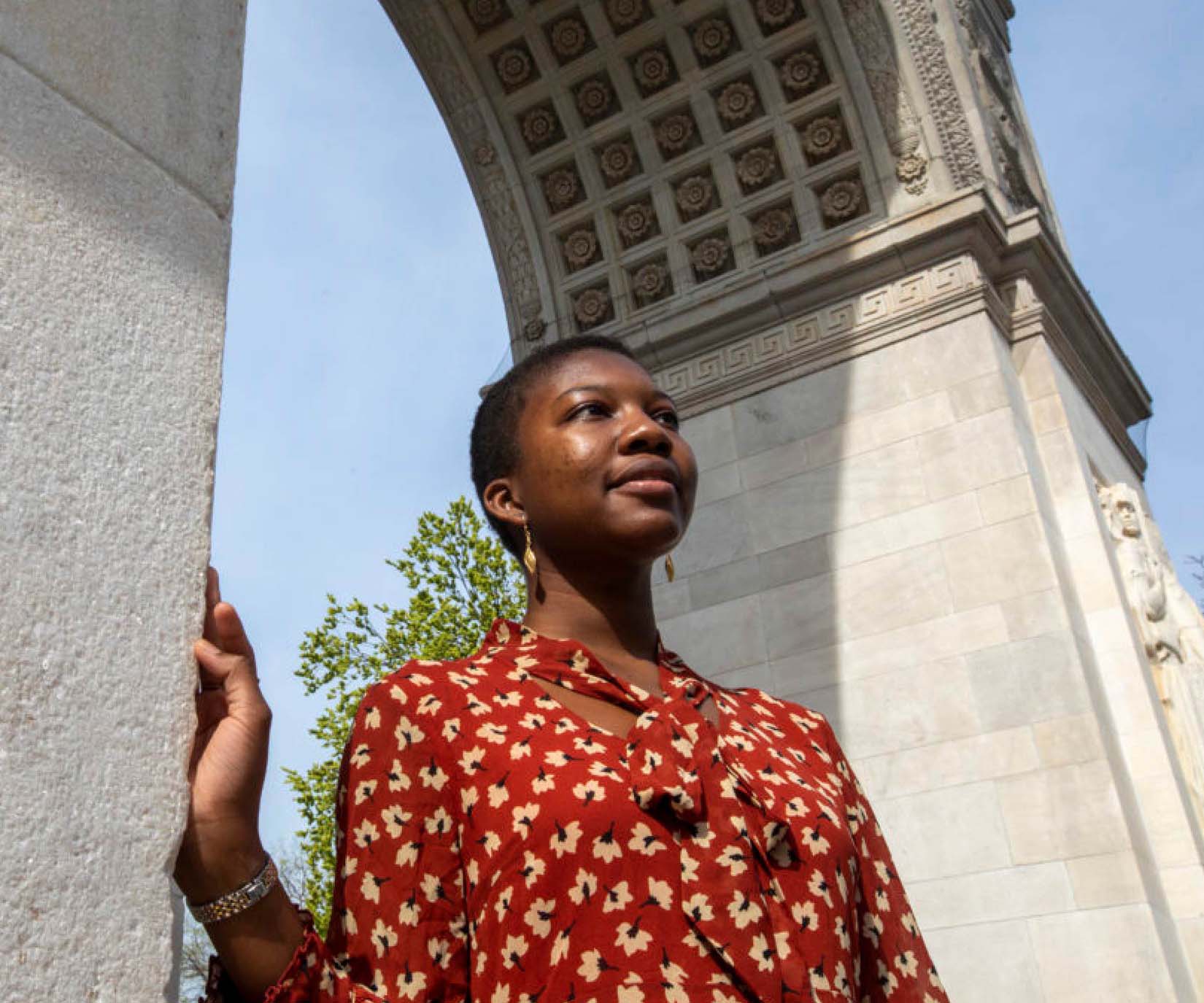
Tahmina and Lida (Afghanistan)

(Pictured left) “Coming here at first, the language and communication is very hard. The people at Welcome Home talk slow and have patience and help me take ESL lessons. Now I understand better and it has really helped me in life here.

My kids — I have three at school and one at home. The older kids love school. Even during vacations, they say when is school starting again. They are learning new things every day and having so much fun.

There are people we are meeting from our country and we tell them about Welcome Home and now many of them take part in Fun Club and other parts of the organization.

When the refugees are new, we can speak with them and bring them to Welcome Home and help them avoid so many problems. Welcome Home Jersey City has made so much difference for our homes, for our kids, for our kitchens, for everything.”

(Pictured right) “I am a refugee, so I understand how refugees feel when they first come to a country. The newcomers, I can see they are feeling what I was feeling three years ago. We come with so many challenges and it is very hard.

My favorite thing about being here in the US is the Welcome Home organization and their volunteers. I’ve never seen an organization who is only there to help you like this anywhere.

And the volunteers, they help me at the beginning to set appointments, explained how to use the transportation, how to apply for services and jobs. The volunteers say ‘I can help you’ and they do.

When we first landed in Jersey City, Welcome Home visited us and we received so many things for our kitchen and living room and bathroom so that we could start life here.

Welcome Home was there for us and they are there for the newcomers who are coming now, with help and information. Welcome Home is now my family. The volunteers, they are my family. They come visit my home like family back in Afghanistan. Right now, as I am talking with you, a volunteer at Fun Club is holding my baby like family. Back in my home country, I have many sisters and aunts to help me with my babies and with life, here I have the people from Welcome Home, it is the same. This is family. And when people are coming here, they are coming out of hell, it is very bad.

In the future, I want to continue living in Jersey City and be a volunteer for Welcome Home. I want to help other people like Welcome Home helped me, helped my babies and my husband. So I think I can help because I understand them and I can have answers and solutions and be family for them if they want. It can be Afghanistan or any other country, the differences, really, are very little and not important. What is important is these people need help, and I can help. And this is how I want my baby to grow up and see what it is to help other people.”

Madjibe (Country of origin)

“I remember May 1st, 2020 like it was yesterday. It was National Decision Day, the day when most seniors declared which college they will be attending. Despite being accepted to my dream college, George Washington University, and many other wonderful colleges, I had no hope of attending any of them. Being an asylum seeker and immigrant jeopardized my chances of being considered for financial aid and I could not afford college. I spent the rest of the month in agony and fear of not attending college altogether. I was angry because I worked so hard and wanted to attend college in order to achieve my goals.

On June 5th, another day I will never forget, I was accepted into New York University. I remember texting my best friends ‘ughh I just got into NYU’ accompanied by a sad face emoji. I did not want to go through the same process of getting accepted, celebrating, and then realizing that this college was financially out of reach.

However, I soon realized that I had gotten a full ride to NYU! I was in shock and shed tears that washed away all the exhaustion and fear that I was consumed with. Since then, NYU has become home and the place where I truly belong. I love the city, my amazing classmates, and the countless opportunities presented to me daily. Through this process, I realized how important it is to provide people with opportunities. I will always remember this and help others rise above their socioeconomic challenges because we all deserve a chance.”

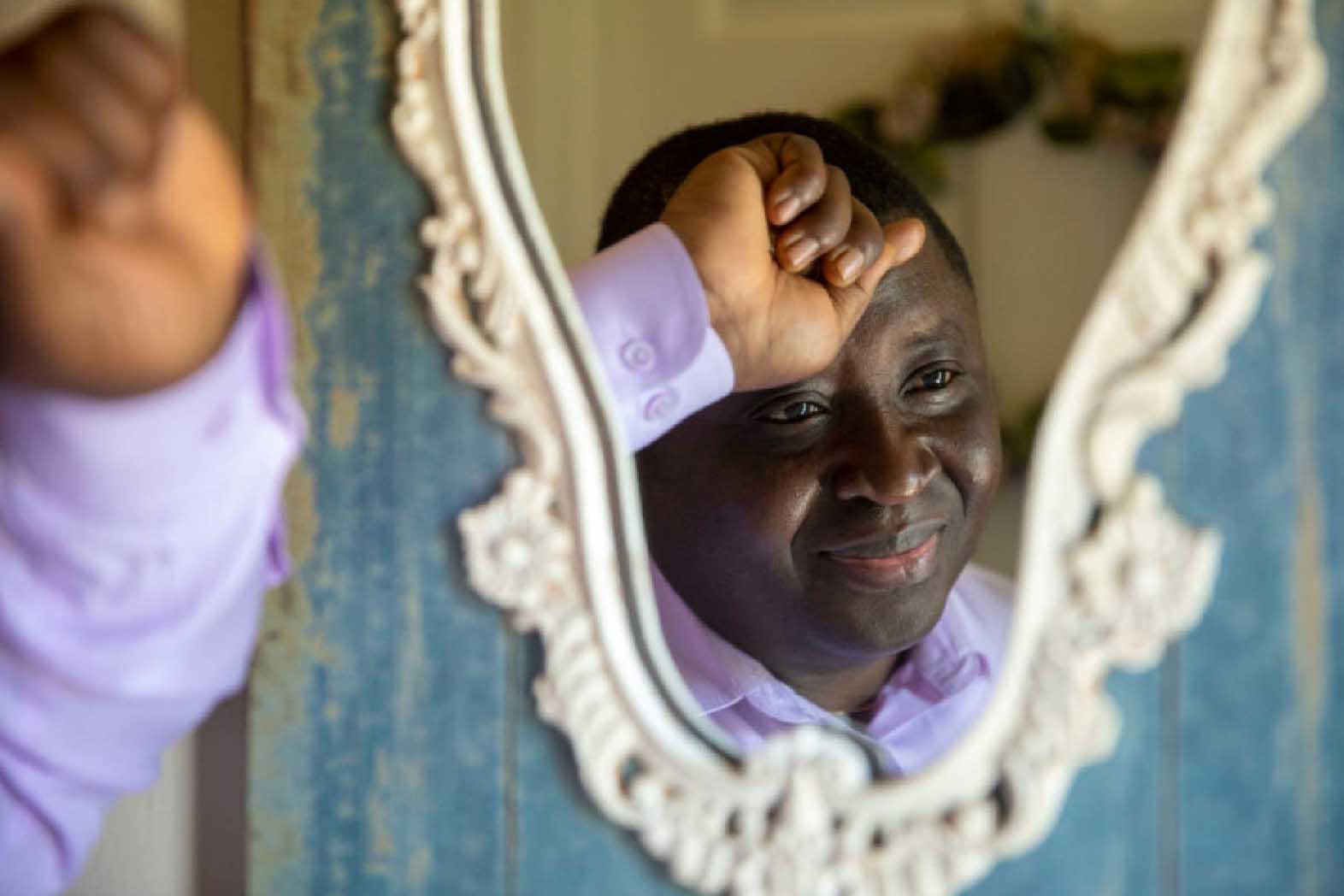
Edwin (Sierra Leone)

“Growing up in the midst of the civil war in Sierra Leone, I managed to get through high school, but it was impossible to go to university. Feeling unable to change the atrocities being committed around me, I decided to document them instead. Initially I worked on my own, and then later with the American filmmaker Trent Harris to show the world the horrors taking place around me. I eventually also worked with the UN to try to build a future in Sierra Leone, but unfortunately, the history of my country haunted me, and safety was not a guarantee. My only option was to leave my war-torn home behind and make my way to the United States.

I arrived at Kennedy airport and requested asylum on landing. After 16 hours of background checking, ICE gave me the okay. I was put in chains and taken to immigration detention, where I remained for 5 months. When I was finally released and granted asylum, I was welcomed by First Friends and Welcome Home.

The impact that First Friends and Welcome Home made on me is immeasurable. The people that work with these organizations, they touched my heart. I want to give back to these organizations. They helped me and their donations helped me. They are still not done with me yet.

When I get there, it is my responsibility morally and spiritually to turn back and be a support to those who are in a worse situation than me. I want to continue to support the values of these people so my children and grandchildren will look back and understand. That is what I want them to have.”

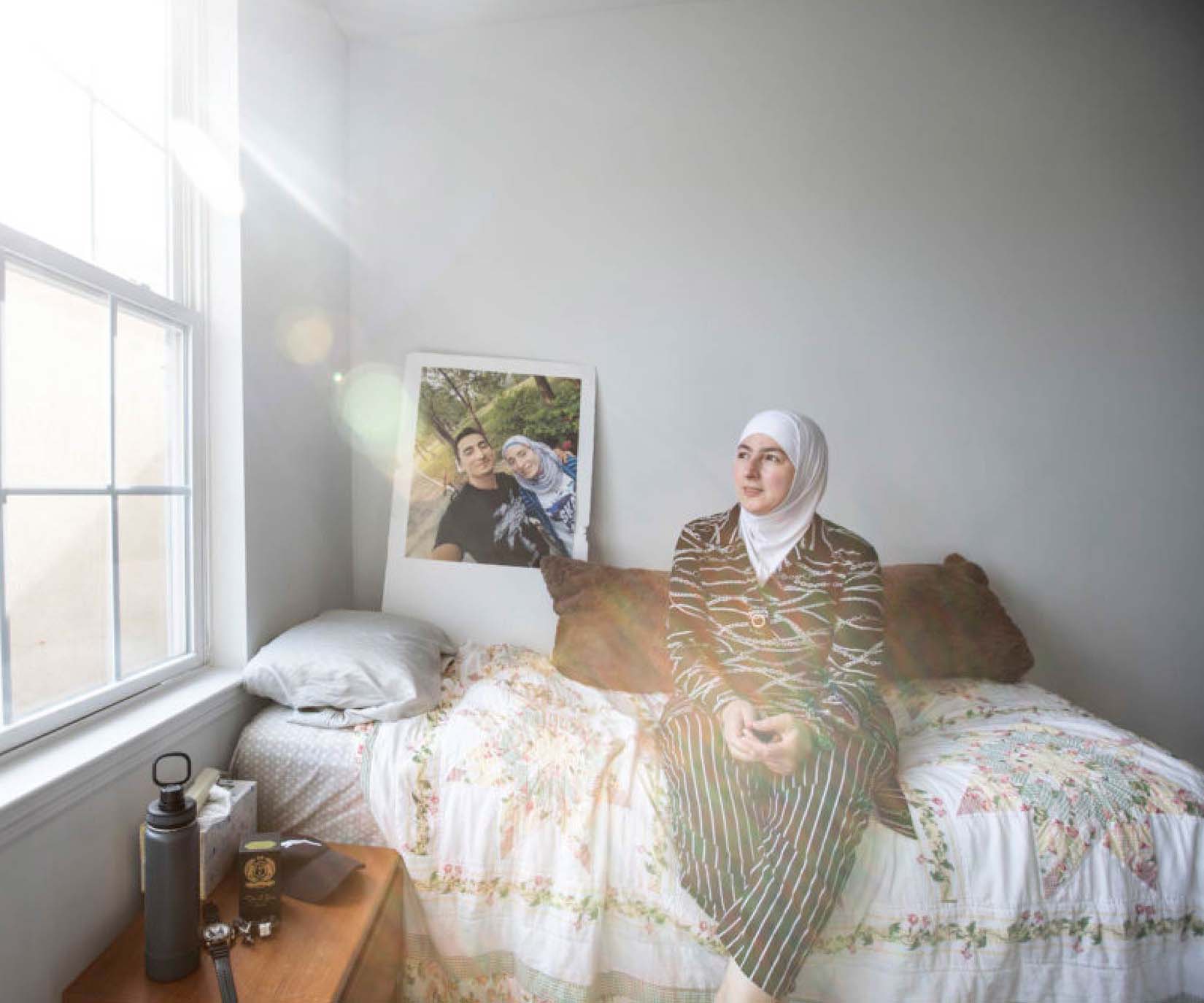
Doha (Syria)

“This is crazy, some would say. How can you put your childrens’ lives in danger by taking them to sea? But our daily life in Syria was already more dangerous, unbearable. The bombs, death, destruction, hunger, the cold. The cold. One night, I remember screaming. I wanted to break our furniture to use the wood for a fire, to warm my children. We decided to leave by sea. We agreed that we would either make it together, or die together. In the end, we were fortunate not to have to take this route. A family member lent us the money needed to go to Thailand.

A., the youngest of my four children, had stopped talking by then, traumatized by the war. He was terrified of policemen. We had a few months of peace in Thailand, until one early morning, the police raided our house. We were sleeping. They didn't wait for us to open the door. I begged them not to wake A. up. They did it anyway. They woke him up at gunpoint.

After we were released from detention, A.’s condition deteriorated dramatically. He was not sleeping or eating. He was scared all the time. When we got an opportunity to go to the U.S., A.’s psychologist advised me itrsquo;s best for him. But I was only allowed to take my two minor children with me. I was torn. How can I leave my other two children behind?

In the end, I had to save A. We came to the U.S. but I left a piece of my heart in Thailand. I hoped N. and M. would soon join us, but little did I know. I got the call while heading to work one morning. My kids were rounded up in an immigration raid. They spent almost a year in the most horrible conditions. I felt helpless. It was a difficult time for our family. By a miracle, my friends here were able to help get them released. They had been approved to immigrate to Canada but the pandemic put a stop to the process. I am still hopeful. I envision our reunion. Where will it be? What will I do? One day, it will happen.”